

mirror sheets
Understanding Timber Fixed Brackets A Comprehensive Guide Timber construction has long been a favored choice in the building industry due to its aesthetic appeal, sustainability, and structural reliability. Within this realm, timber fixed brackets play a crucial role in ensuring the robustness and longevity of timber structures. This article explores what timber fixed brackets are, their applications, benefits, and some best practices for their use. What are Timber Fixed Brackets? Timber fixed brackets are specialized hardware components designed to provide support and stabilization to timber structures. Typically made of durable materials like steel or heavy-duty plastics, these brackets are used to connect, secure, and distribute loads among various timber members. They can be found in various forms, including angled brackets, flat plates, and even customized designs, catering to the specific needs of the project at hand. Applications of Timber Fixed Brackets The versatility of timber fixed brackets makes them suitable for a wide range of applications. Commonly, they are used in residential and commercial construction, where they support beams, rafters, and trusses. In addition, they are employed in landscaping projects, including pergolas, decks, and fences, ensuring that timber elements are held firmly in place against the forces of nature. Moreover, fixed brackets are critical in both new constructions and renovations, improving the integrity of existing structures. Benefits of Using Timber Fixed Brackets 1. Structural Stability One of the primary advantages of utilizing timber fixed brackets is the enhanced structural stability they provide . By properly securing different timber elements, these brackets help distribute loads evenly, thereby reducing the risk of sagging or structural failure. 2. Durability High-quality fixed brackets are designed to withstand various environmental stresses, including moisture and extreme temperatures. When installed correctly, they can significantly extend the lifespan of timber structures. 3. Aesthetic Appeal Timber construction is celebrated for its natural beauty. Fixed brackets can be designed to complement the overall aesthetic of a project, offering a seamless integration that enhances the visual appeal of the structure. timber fixed bracket 4. Ease of Installation Most timber fixed brackets are user-friendly and can be installed with basic tools. This ease of installation can lead to reduced labor costs and shorten project timelines. 5. Cost-effectiveness By improving the stability and longevity of timber structures, fixed brackets can minimize maintenance and repair costs over time, making them a wise investment. Best Practices for Using Timber Fixed Brackets To maximize the effectiveness of timber fixed brackets, consider the following best practices 1. Select the Right Bracket Different projects require different types of brackets. Assess the load requirements and environmental conditions to select the most appropriate bracket. 2. Follow Manufacturer’s Guidance Always adhere to the installation guidelines provided by the manufacturer. This ensures that the brackets are installed correctly and safely. 3. Regular Inspections Periodically check the fixed brackets for signs of wear or damage. Early detection of potential issues can prevent more significant structural problems down the line. 4. Maintain a Clean Environment Keep the areas where brackets and timber meet free from debris and moisture, as these can compromise the integrity of the connection. In conclusion, timber fixed brackets are integral components that contribute significantly to the strength and durability of timber structures. By understanding their function, applications, and benefits, builders and homeowners can make informed decisions that enhance the safety and longevity of their timber projects. As timber continues to be a popular choice for construction and landscaping, the role of fixed brackets will undoubtedly remain a vital aspect of successful timber installations.
about
mirror sheets
Understanding Valve Types Essential Components in Fluid Control Valves are essential components in various engineering and industrial applications, playing a critical role in controlling the flow of fluids, gases, and slurries. With an extensive range of valve types available, each designed for specific applications, understanding these differences can help engineers and operators make informed decisions about which valve to use for a given situation. In this article, we will explore the primary types of valves, their functions, and where they are typically used. 1. Gate Valves Gate valves are primarily used for on/off control of flow. They consist of a gate that can move up and down to either obstruct or allow flow. This type of valve is particularly desirable in applications where a straight-line flow of fluid and minimal pressure drop are required. Commonly found in water supply systems and industrial processes, gate valves are not suitable for throttling applications, as partially opened gates can cause erosion and damage. 2. Globe Valves Globe valves are designed for regulating flow. They feature a spherical body with an internal baffle that directs the fluid flow. This design allows for good throttling capabilities, making them suitable for applications where flow needs to be adjusted frequently. While they have a higher pressure drop compared to gate valves, their ability to control flow accurately makes them widely used in steam and cooling systems. 3. Ball Valves With their quick operation and reliable sealing, ball valves are popular in various industries. A ball with a hole through the center rotates 90 degrees to allow or block the flow. This design offers low resistance to flow, making ball valves ideal for applications requiring fast shut-off. They are commonly used in residential plumbing, oil and gas, and chemical processing. 4. Butterfly Valves valve types Butterfly valves are lightweight and compact, making them a preferred choice in large-scale applications. They utilize a rotating disc to regulate flow, which can be positioned anywhere between fully open and fully closed. These valves are often found in water treatment facilities and HVAC systems, where seismic forces or space limitations may limit the use of bulkier valve types. 5. Check Valves Check valves are critical for preventing backflow in piping systems. They operate automatically, allowing fluid to flow in one direction while closing when the flow reverses. There are several types of check valves, including swing check and lift check, each suited for different applications. They are commonly used in pump discharge lines and in systems where backflow needs to be mitigated to protect equipment. 6. Pressure Relief Valves Pressure relief valves are safety devices designed to automatically release pressure to prevent system overloads. They are crucial in steam boilers and pressure vessels, where exceeding the safe operating limits can lead to catastrophic failures. These valves ensure that pressure remains within acceptable levels by venting excess fluid or gas. 7. Solenoid Valves Solenoid valves are electromechanical devices used for automated control of fluid flow. They consist of a coil that, when energized, moves a plunger to open or close the valve. Commonly used in irrigation systems, automotive applications, and home appliances, solenoid valves offer rapid response times and precise control over fluid dynamics. Conclusion In summary, there are numerous valve types designed to meet specific fluid control needs across various industries. From gate and globe valves for flow regulation to ball and butterfly valves for quick shut-off, understanding their unique characteristics and applications is vital. As technology advances, the development of new materials and designs will continue to enhance the efficiency, reliability, and safety of valve systems. Engineers and operators must stay informed about these options to ensure optimal performance in their processes.
-

High quality industrial productsagement

High quality industrial products
View Details -

Meet the diverse needs of customers

Meet the diverse needs of customers
View Details -

Strict quality control

Strict quality control
View Details -

Top raw materials

Top raw materials
View Details -

Trusted supplier

Trusted supplier
View Details
Our application

news and information
Válvula de retención de 12 mm para aplicaciones industriales y de fontanería eficientes
Válvula de Retención de 12 mm Importancia y Aplicaciones Las válvulas de retención son dispositivos
Various Types of Non-Return Valves and Their Applications in Fluid Control
Understanding Non-Return Valve Types Non-return valves, also known as check valves, play a crucial r
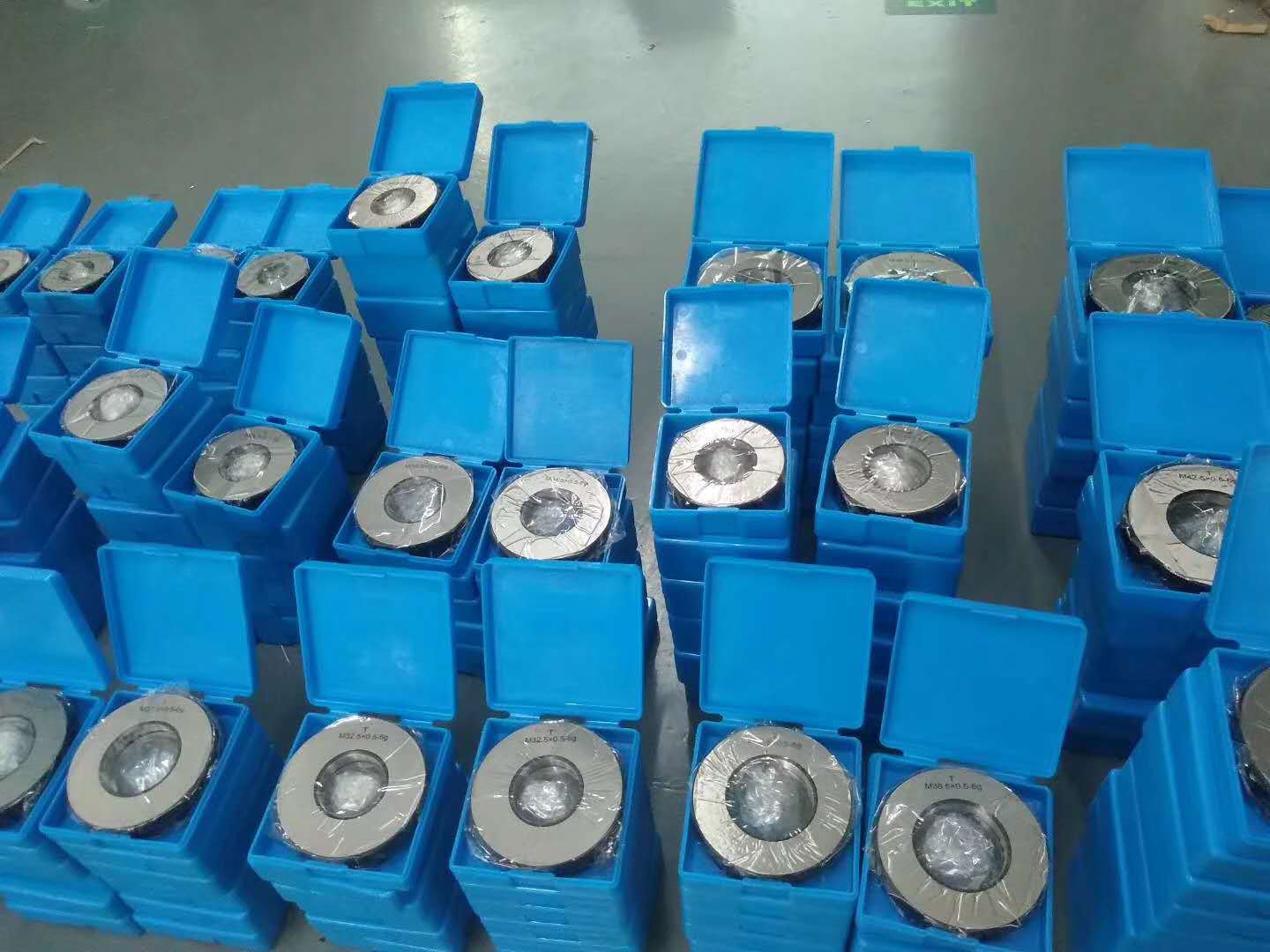
working thread plug gage
Understanding Working Thread Plug Gages Importance and Applications In the world of manufacturing an
 English